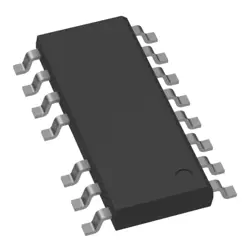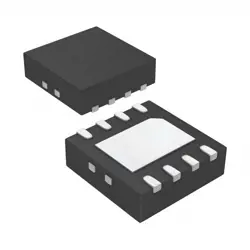

画像は参照用のみです。
SFH 213 FA
Photodiodes PHOTODIODE
- メーカー
- Mfr。パート #SFH 213 FA
- パッケージ
- データシート SFH 213 FA DataSheet
- 在庫中18284
100% オリジナル &新しい
出荷の準備ができている24時間
365日の保証
RFQおよびもっと割引を得る
仕様
| Packaging | Bulk |
| Standard Pack Qty | 1000 |
概要
Description
SFH 213 FA, or "Introduction to Sustainable Food and Health," is a course designed to explore the interconnections between food systems, health, and sustainability. The curriculum typically covers topics such as nutrition, food security, agricultural practices, and the environmental impact of food production. Students learn about the importance of sustainable practices in agriculture and how they affect public health, community well-being, and ecological balance.
The course often includes discussions on dietary choices, food policy, and the role of local and global food systems in shaping health outcomes. By the end of the course, students are expected to understand the complexities of food-related challenges and develop strategies that promote health and sustainability within food systems. This foundational knowledge prepares students for further studies in public health, environmental science, and related fields.
The course often includes discussions on dietary choices, food policy, and the role of local and global food systems in shaping health outcomes. By the end of the course, students are expected to understand the complexities of food-related challenges and develop strategies that promote health and sustainability within food systems. This foundational knowledge prepares students for further studies in public health, environmental science, and related fields.
Features
SFH 213 FA, or the Space Force Handbook 213, is a document that outlines the features and guidelines for the U.S. Space Force's operations and procedures. Key features include:
1. Mission Objectives: It defines the goals of space operations, emphasizing space superiority, deterrence, and support for joint forces.
2. Operational Framework: Provides a structured approach for planning and executing space missions, ensuring alignment with national defense strategies.
3. Collaboration: Encourages partnerships with other military branches, government agencies, and international allies for effective space operations.
4. Technology Integration: Highlights the importance of advanced technologies such as satellite systems, space surveillance, and cybersecurity measures.
5. Training and Readiness: Stipulates training requirements to maintain operational readiness for personnel involved in space missions.
6. Policy Guidance: Offers directives on legal and ethical considerations in space operations, ensuring compliance with national and international laws.
Overall, SFH 213 FA serves as a comprehensive guide for the administration and execution of the Space Force's strategic objectives.
1. Mission Objectives: It defines the goals of space operations, emphasizing space superiority, deterrence, and support for joint forces.
2. Operational Framework: Provides a structured approach for planning and executing space missions, ensuring alignment with national defense strategies.
3. Collaboration: Encourages partnerships with other military branches, government agencies, and international allies for effective space operations.
4. Technology Integration: Highlights the importance of advanced technologies such as satellite systems, space surveillance, and cybersecurity measures.
5. Training and Readiness: Stipulates training requirements to maintain operational readiness for personnel involved in space missions.
6. Policy Guidance: Offers directives on legal and ethical considerations in space operations, ensuring compliance with national and international laws.
Overall, SFH 213 FA serves as a comprehensive guide for the administration and execution of the Space Force's strategic objectives.
Package
The SFH 213 FA is typically packaged as a surface mount device (SMD) in a compact, flat package. Its design facilitates easy integration into electronic circuits, allowing for efficient use in applications like optical sensors and other electronic systems.
Pinout
The SFH 213 FA is a phototransistor designed for infrared light detection. It typically features a 4-pin configuration. The pin functions are as follows:
1. Pin 1 (Emitter): Connects to the ground or negative voltage.
2. Pin 2 (Collector): Connects to the positive voltage through a load resistor.
3. Pin 3 (Base): Used to control the sensitivity of the transistor; it can be connected to a bias voltage if needed.
4. Pin 4 (Case): Often used for mounting and may also serve as a thermal or electrical reference.
This device is commonly used in applications such as optical switching and light detection in various electronic systems.
1. Pin 1 (Emitter): Connects to the ground or negative voltage.
2. Pin 2 (Collector): Connects to the positive voltage through a load resistor.
3. Pin 3 (Base): Used to control the sensitivity of the transistor; it can be connected to a bias voltage if needed.
4. Pin 4 (Case): Often used for mounting and may also serve as a thermal or electrical reference.
This device is commonly used in applications such as optical switching and light detection in various electronic systems.
Manufacturer
The SFH 213 FA is manufactured by Osram Opto Semiconductors, a subsidiary of the global lighting company Osram. Osram Opto Semiconductors specializes in the development and production of optoelectronic components, including LED technology and infrared devices. The company focuses on providing innovative lighting solutions for various applications, including automotive, consumer electronics, and industrial sectors. Osram is known for its commitment to sustainability and energy efficiency in lighting technology, making it a prominent player in the semiconductor and lighting industries.
Application
SFH 213 FA is a silicon-based phototransistor used in various applications, including light sensing, optical switching, and as a light detector in consumer electronics. Its high sensitivity makes it suitable for medical devices, industrial automation, and safety equipment. Additionally, it can be utilized in communication systems for data transmission, as well as in ambient light sensing for automatic brightness control in displays.
Equivalent
The SFH 213 FA chip, a phototransistor, has equivalent products like the LTV-817, MOC-3023, and H11L1. These options may vary in specifications like collector current, voltage, and packaging. Always check datasheets to ensure compatibility with your application needs.
出荷
出荷方法私たち
DHL、FedEx、TNT、UPS、またはあなたの選択の他の運送業者を通じてグローバルな出荷サービスを提供します。
出荷料参照(DHL/FedEx):
DHL の: 配送費は25ドル〜45ドル(0.5kg)の範囲で、推定配送時間は2〜5営業日です。
フェデックス: 配送費は25ドル〜40ドル(0.5kg)の範囲で、推定配送時間は3〜7営業日。
UPS の: 配送費は25ドル〜45ドル(0.5kg)の範囲で、推定配送時間は3〜7営業日。
TNT社: 配送費は25ドル〜65ドル(0.5kg)の範囲で、推定配送時間は3〜7営業日。
EMS: 配送料金は30〜50ドル(0.5kg)の範囲で、推定配送時間は7〜15営業日です。
登録航空郵便: 配送費は2〜4ドル(0.1kg)で、推定配送時間は5〜20営業日です。
支払い
Payment Methods
支払い期間は100%前払いです。
現在、下記の支払い方法のみを受け入れています。:
1. ペイパル
2. クレジット・デビットカード
3. ワイヤー 転送
類似
-
![MX25V1635FZNQ03]() MX25V1635FZNQ03
MX25V1635FZNQ03
Macronix
-
![MX30LF2G28AD-TI]() MX30LF2G28AD-TI
MX30LF2G28AD-TI
Macronix
-
![MX25L8035EM2I-10G]() MX25L8035EM2I-10G
MX25L8035EM2I-10G
Macronix
-
![MX25L25673GMI-08G]() MX25L25673GMI-08G
MX25L25673GMI-08G
Macronix
-
![MX29GL512FHXFI-11G]() MX29GL512FHXFI-11..
MX29GL512FHXFI-11..
Macronix
-
![MX25U51279GXDR00]() MX25U51279GXDR00
MX25U51279GXDR00
Macronix
-
![MX25V1635FM2I]() MX25V1635FM2I
MX25V1635FM2I
Macronix
-
![MX25L12835FZ2I-10G]() MX25L12835FZ2I-10..
MX25L12835FZ2I-10..
Macronix
-
![MX29F800CBTI-70G]() MX29F800CBTI-70G
MX29F800CBTI-70G
Macronix
-
![MX25L25735FMI-10G]() MX25L25735FMI-10G
MX25L25735FMI-10G
Macronix
-
![MX25U51245GZ4I00]() MX25U51245GZ4I00
MX25U51245GZ4I00
Macronix
-
![MX25L1006EMI-10G]() MX25L1006EMI-10G
MX25L1006EMI-10G
Macronix