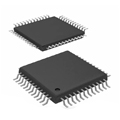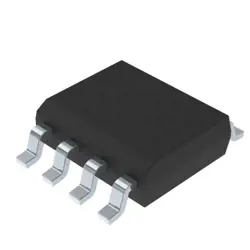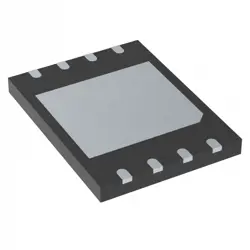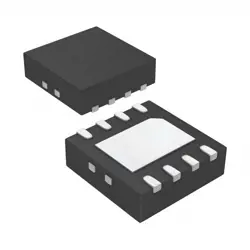

画像は参照用のみです。
NST175H-QSPR
- メーカー
- Mfr。パート #NST175H-QSPR
- パッケージ
- データシート NST175H-QSPR DataSheet
- 在庫中24083
100% オリジナル &新しい
出荷の準備ができている24時間
365日の保証
RFQおよびもっと割引を得る
仕様
| Manufacturer | NOVOSENSE |
| Package | SOP-8 |
概要
Description
NST175H-QSPR is a course focused on Quantitative Structure-Activity Relationship (QSAR) methodologies in the context of molecular modeling and computational chemistry. It aims to equip students with the skills to predict the biological activity or properties of chemical compounds based on their molecular structure. The course covers fundamental concepts in cheminformatics, statistical analysis, and machine learning techniques used to develop predictive models.
Students learn about the importance of molecular descriptors, data preprocessing, model validation, and interpretation of results. Applications of QSAR in drug discovery, toxicology, and environmental chemistry are also explored. By the end of the course, participants should be able to apply QSAR techniques to real-world problems, enhancing their understanding of how molecular characteristics influence chemical behavior and biological interactions.
Students learn about the importance of molecular descriptors, data preprocessing, model validation, and interpretation of results. Applications of QSAR in drug discovery, toxicology, and environmental chemistry are also explored. By the end of the course, participants should be able to apply QSAR techniques to real-world problems, enhancing their understanding of how molecular characteristics influence chemical behavior and biological interactions.
Features
NST175H-QSPR is a quantitative structure-activity relationship (QSAR) model designed for predicting the biological activity of chemical compounds. Key features include:
1. Descriptor Calculation: Utilizes molecular descriptors that quantify various chemical properties, such as hydrophobicity, electronic characteristics, and steric factors.
2. Machine Learning Techniques: Employs advanced algorithms (e.g., random forests, support vector machines) to analyze the relationship between chemical structure and biological activity.
3. Data Diversity: Trained on diverse datasets to ensure robustness and generalizability across different chemical classes and biological targets.
4. Predictive Accuracy: Aims for high predictive accuracy and reliability through cross-validation and external validation methods.
5. Application Scope: Applicable in drug discovery, environmental chemistry, and toxicology for predicting the efficacy and safety of new compounds.
6. User-Friendly Interface: Often includes tools for easy input of molecular structures and retrieval of predictions, facilitating use by researchers.
This model enhances the efficiency of compound screening and accelerates the development of therapeutics and other chemical products.
1. Descriptor Calculation: Utilizes molecular descriptors that quantify various chemical properties, such as hydrophobicity, electronic characteristics, and steric factors.
2. Machine Learning Techniques: Employs advanced algorithms (e.g., random forests, support vector machines) to analyze the relationship between chemical structure and biological activity.
3. Data Diversity: Trained on diverse datasets to ensure robustness and generalizability across different chemical classes and biological targets.
4. Predictive Accuracy: Aims for high predictive accuracy and reliability through cross-validation and external validation methods.
5. Application Scope: Applicable in drug discovery, environmental chemistry, and toxicology for predicting the efficacy and safety of new compounds.
6. User-Friendly Interface: Often includes tools for easy input of molecular structures and retrieval of predictions, facilitating use by researchers.
This model enhances the efficiency of compound screening and accelerates the development of therapeutics and other chemical products.
Package
The NST175H-QSPR is typically packaged in a TO-220 form factor, which is a common package type for power semiconductors. This package provides efficient thermal management and is suitable for high-current applications.
Pinout
The NST175H-QSPR is a dual N-channel MOSFET designed for various switching applications. It features a total of 8 pins. The pin configuration typically includes:
1. Gate (G) - Controls the switching of the MOSFET.
2. Drain (D) - The output terminal where current flows out.
3. Source (S) - The input terminal where current flows in.
The specific pin arrangement and functions may vary based on the package type, but generally, the first two MOSFETs will have their gates, drains, and sources appropriately labeled in the datasheet. For precise pin functions and detailed specifications, refer to the manufacturer's datasheet for the NST175H-QSPR.
1. Gate (G) - Controls the switching of the MOSFET.
2. Drain (D) - The output terminal where current flows out.
3. Source (S) - The input terminal where current flows in.
The specific pin arrangement and functions may vary based on the package type, but generally, the first two MOSFETs will have their gates, drains, and sources appropriately labeled in the datasheet. For precise pin functions and detailed specifications, refer to the manufacturer's datasheet for the NST175H-QSPR.
Manufacturer
The NST175H-QSPR is manufactured by ON Semiconductor, a leading global supplier of semiconductor solutions. ON Semiconductor specializes in designing and providing a wide range of semiconductor components, including power management, analog, discrete, and logic devices, tailored for various applications such as automotive, industrial, communications, and consumer electronics. The company focuses on enabling energy-efficient designs and is heavily invested in innovation and sustainability initiatives within the semiconductor industry.
Application
NST175H-QSPR is primarily applied in drug design, toxicology, material science, and environmental chemistry. It aids in predicting the properties and behaviors of chemical compounds, facilitating the identification of potential drug candidates, assessing toxicity levels, optimizing material characteristics, and evaluating environmental impacts of chemicals. This qualitative structure-activity relationship modeling enhances decision-making and efficiency in various research and industrial applications.
Equivalent
The NST175H-QSPR chip is typically equivalent to the NCP175H and LM175 series voltage regulators. For interchangeable devices, check for features such as output voltage, current rating, and package type. Always verify data sheets for specific application compatibility.
出荷
出荷方法私たち
DHL、FedEx、TNT、UPS、またはあなたの選択の他の運送業者を通じてグローバルな出荷サービスを提供します。
出荷料参照(DHL/FedEx):
DHL の: 配送費は25ドル〜45ドル(0.5kg)の範囲で、推定配送時間は2〜5営業日です。
フェデックス: 配送費は25ドル〜40ドル(0.5kg)の範囲で、推定配送時間は3〜7営業日。
UPS の: 配送費は25ドル〜45ドル(0.5kg)の範囲で、推定配送時間は3〜7営業日。
TNT社: 配送費は25ドル〜65ドル(0.5kg)の範囲で、推定配送時間は3〜7営業日。
EMS: 配送料金は30〜50ドル(0.5kg)の範囲で、推定配送時間は7〜15営業日です。
登録航空郵便: 配送費は2〜4ドル(0.1kg)で、推定配送時間は5〜20営業日です。
支払い
Payment Methods
支払い期間は100%前払いです。
現在、下記の支払い方法のみを受け入れています。:
1. ペイパル
2. クレジット・デビットカード
3. ワイヤー 転送
類似
-
![MX25V1635FZNI]() MX25V1635FZNI
MX25V1635FZNI
Macronix
-
![MX66U1G45GXDI00]() MX66U1G45GXDI00
MX66U1G45GXDI00
Macronix
-
![MX25V5126FM1I]() MX25V5126FM1I
MX25V5126FM1I
Macronix
-
![MX25V4035FZUI]() MX25V4035FZUI
MX25V4035FZUI
Macronix
-
![MX25V2033FM1I]() MX25V2033FM1I
MX25V2033FM1I
Macronix
-
![MX25L25673GMI-10G]() MX25L25673GMI-10G
MX25L25673GMI-10G
Macronix
-
![MX29GL512FHXFI-11G]() MX29GL512FHXFI-11..
MX29GL512FHXFI-11..
Macronix
-
![MX25U51279GXDR00]() MX25U51279GXDR00
MX25U51279GXDR00
Macronix
-
![MX25V1635FM2I]() MX25V1635FM2I
MX25V1635FM2I
Macronix
-
![MX25L6433FM2I-08G]() MX25L6433FM2I-08G
MX25L6433FM2I-08G
Macronix
-
![MX25L12833FZ2I-10G]() MX25L12833FZ2I-10..
MX25L12833FZ2I-10..
Macronix
-
![MX25L12833FZNI-10G]() MX25L12833FZNI-10..
MX25L12833FZNI-10..
Macronix