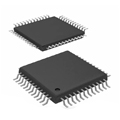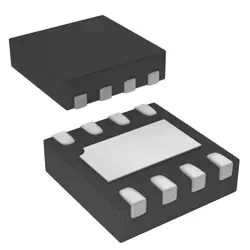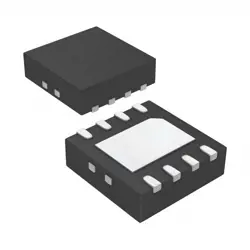

画像は参照用のみです。
HMC374E
IC RF AMP GP 300MHZ-3GHZ SOT26
- メーカー
- Mfr。パート #HMC374E
- パッケージ SOT-23-6
- データシート HMC374E DataSheet
- 在庫中6296
100% オリジナル &新しい
出荷の準備ができている24時間
365日の保証
RFQおよびもっと割引を得る
仕様
| Package | Strip |
| ProductStatus | Active |
| Frequency | 300MHz ~ 3GHz |
| P1dB | 22dBm |
| Gain | 9dB |
| NoiseFigure | 1.8dB |
| RFType | General Purpose |
| Voltage-Supply | 2.75V ~ 5.5V |
| Current-Supply | 90mA |
| MountingType | Surface Mount |
| Package/Case | SOT-23-6 |
概要
Description
The HMC374E is a general-purpose broadband gallium arsenide (GaAs) monolithic microwave integrated circuit (MMIC) designed for radio frequency (RF) applications. Specifically, it functions as a low-noise amplifier (LNA), offering wideband performance, typically from 0.3 GHz to 4.0 GHz. This makes it suitable for a variety of wireless communication systems.
Key features of the HMC374E include its low noise figure, which enhances signal clarity by minimizing interference and noise. It also provides moderate gain and output power, making it effective for amplifying weak signals. Additionally, the device maintains high linearity, ensuring that amplified signals retain their integrity and that distortion is minimized.
The HMC374E is packaged in a RoHS-compliant SOT26 package, which is convenient for surface-mount technology, allowing for compact and efficient integration into electronic circuits. Its performance characteristics make it ideal for usage in cellular infrastructure, wireless data, satellite communications, and other RF applications. Overall, the HMC374E is valued for its reliability, broad frequency range, and ability to improve signal quality in RF systems.
Key features of the HMC374E include its low noise figure, which enhances signal clarity by minimizing interference and noise. It also provides moderate gain and output power, making it effective for amplifying weak signals. Additionally, the device maintains high linearity, ensuring that amplified signals retain their integrity and that distortion is minimized.
The HMC374E is packaged in a RoHS-compliant SOT26 package, which is convenient for surface-mount technology, allowing for compact and efficient integration into electronic circuits. Its performance characteristics make it ideal for usage in cellular infrastructure, wireless data, satellite communications, and other RF applications. Overall, the HMC374E is valued for its reliability, broad frequency range, and ability to improve signal quality in RF systems.
Features
The HMC374E is a general-purpose GaAs MMIC (Monolithic Microwave Integrated Circuit) double-balanced mixer. Key features include:
1. Frequency Range: It operates over a wide frequency range, typically from 3.0 to 8.0 GHz.
2. Conversion Loss: The mixer offers a low conversion loss, generally around 8 dB.
3. LO to RF Isolation: It provides high local oscillator (LO) to radio frequency (RF) isolation, typically greater than 35 dB.
4. LO to IF Isolation: LO to intermediate frequency (IF) isolation is about 25 dB, enhancing performance by minimizing unwanted signal interference.
5. RF to IF Isolation: The RF to IF isolation is typically around 20 dB, contributing to cleaner signal processing.
6. Input IP3: The input third-order intercept point (IP3) is typically +20 dBm, indicating good linearity for handling larger signals without distortion.
7. Packaging: The device is housed in a compact, surface-mount RoHS-compliant package, making it suitable for various applications, including wireless infrastructure, point-to-point radios, and military systems.
8. Operating Temperature: It supports an operating temperature range from -40°C to +85°C, suitable for various environmental conditions.
These features make the HMC374E a versatile component in RF and microwave signal processing applications.
1. Frequency Range: It operates over a wide frequency range, typically from 3.0 to 8.0 GHz.
2. Conversion Loss: The mixer offers a low conversion loss, generally around 8 dB.
3. LO to RF Isolation: It provides high local oscillator (LO) to radio frequency (RF) isolation, typically greater than 35 dB.
4. LO to IF Isolation: LO to intermediate frequency (IF) isolation is about 25 dB, enhancing performance by minimizing unwanted signal interference.
5. RF to IF Isolation: The RF to IF isolation is typically around 20 dB, contributing to cleaner signal processing.
6. Input IP3: The input third-order intercept point (IP3) is typically +20 dBm, indicating good linearity for handling larger signals without distortion.
7. Packaging: The device is housed in a compact, surface-mount RoHS-compliant package, making it suitable for various applications, including wireless infrastructure, point-to-point radios, and military systems.
8. Operating Temperature: It supports an operating temperature range from -40°C to +85°C, suitable for various environmental conditions.
These features make the HMC374E a versatile component in RF and microwave signal processing applications.
Package
The HMC374E is housed in a 4x4 mm leadless QFN surface-mount package. This type of package is designed for compact and efficient integration into various electronic systems, providing a reliable solution for RF applications.
Pinout
The HMC374E is a GaAs MMIC Low Noise Amplifier (LNA) designed for RF and microwave applications. It typically comes in a leadless 8-lead surface-mount package. The primary function of the HMC374E is to amplify weak RF signals while maintaining a low noise figure, making it suitable for use in receiver applications.
Here's a concise pin count and function:
1. Pin Count: The HMC374E has 8 pins.
2. Pin Functions:
- RF Input (RFIN): This pin receives the RF signal that needs to be amplified.
- RF Output/Output Bias (RFOUT): This pin outputs the amplified RF signal and also serves as the bias point.
- Ground (GND): Ground pins are typically connected to the package and should be connected to the RF/DC ground.
- Vdd: This pin supplies the DC power to the amplifier.
The remaining pins might be designated for additional grounding or not connected depending on the specific design but are essential for maintaining the device's stability and performance. Always refer to the specific datasheet for detailed pin configuration and typical application circuits.
Here's a concise pin count and function:
1. Pin Count: The HMC374E has 8 pins.
2. Pin Functions:
- RF Input (RFIN): This pin receives the RF signal that needs to be amplified.
- RF Output/Output Bias (RFOUT): This pin outputs the amplified RF signal and also serves as the bias point.
- Ground (GND): Ground pins are typically connected to the package and should be connected to the RF/DC ground.
- Vdd: This pin supplies the DC power to the amplifier.
The remaining pins might be designated for additional grounding or not connected depending on the specific design but are essential for maintaining the device's stability and performance. Always refer to the specific datasheet for detailed pin configuration and typical application circuits.
Manufacturer
The HMC374E is manufactured by Analog Devices, Inc. Analog Devices is a multinational semiconductor company that specializes in the design, manufacturing, and marketing of a broad portfolio of analog, mixed-signal, and digital signal processing (DSP) integrated circuits. These components are used in a wide range of electronic equipment and systems, including communications, computing, consumer electronics, industrial, instrumentation, and healthcare applications. The company is known for its high-performance components that are crucial for data conversion and signal processing tasks.
Application
The HMC374E is a versatile GaAs MMIC mixer used primarily in RF and microwave applications. It is commonly utilized in frequency conversion tasks such as down-conversion and up-conversion in communication systems. Typical application areas include satellite communications, point-to-point and point-to-multipoint radios, military and aerospace systems, and test equipment. Its wide frequency range and excellent performance make it suitable for various commercial and defense-related RF applications.
Equivalent
The HMC374E is a GaAs MMIC SPDT switch. Equivalent products can include RF switch models from other manufacturers like the Analog Devices ADRF5020, Skyworks Solutions SKY13350, or Mini-Circuits' ZX80-DR230+. Compatibility will depend on specific requirements such as frequency range, power handling, and insertion loss. Always compare datasheets to ensure the substitute meets all necessary specifications for your application.
出荷
出荷方法私たち
DHL、FedEx、TNT、UPS、またはあなたの選択の他の運送業者を通じてグローバルな出荷サービスを提供します。
出荷料参照(DHL/FedEx):
DHL の: 配送費は25ドル〜45ドル(0.5kg)の範囲で、推定配送時間は2〜5営業日です。
フェデックス: 配送費は25ドル〜40ドル(0.5kg)の範囲で、推定配送時間は3〜7営業日。
UPS の: 配送費は25ドル〜45ドル(0.5kg)の範囲で、推定配送時間は3〜7営業日。
TNT社: 配送費は25ドル〜65ドル(0.5kg)の範囲で、推定配送時間は3〜7営業日。
EMS: 配送料金は30〜50ドル(0.5kg)の範囲で、推定配送時間は7〜15営業日です。
登録航空郵便: 配送費は2〜4ドル(0.1kg)で、推定配送時間は5〜20営業日です。
支払い
Payment Methods
支払い期間は100%前払いです。
現在、下記の支払い方法のみを受け入れています。:
1. ペイパル
2. クレジット・デビットカード
3. ワイヤー 転送
類似
-
![MX25R8035FM1IL0]() MX25R8035FM1IL0
MX25R8035FM1IL0
Macronix
-
![MX25V1635FZNI]() MX25V1635FZNI
MX25V1635FZNI
Macronix
-
![MX66U1G45GXDI00]() MX66U1G45GXDI00
MX66U1G45GXDI00
Macronix
-
![MX25V16066M1I02]() MX25V16066M1I02
MX25V16066M1I02
Macronix
-
![MX25V16066M2I02]() MX25V16066M2I02
MX25V16066M2I02
Macronix
-
![MX25L25673GMI-08G]() MX25L25673GMI-08G
MX25L25673GMI-08G
Macronix
-
![MX25L25673GMI-10G]() MX25L25673GMI-10G
MX25L25673GMI-10G
Macronix
-
![MX25U25643GZNI00]() MX25U25643GZNI00
MX25U25643GZNI00
Macronix
-
![MX25L2006EM1I-12G]() MX25L2006EM1I-12G
MX25L2006EM1I-12G
Macronix
-
![MX25U3232FZBI02]() MX25U3232FZBI02
MX25U3232FZBI02
Macronix
-
![MX25L12833FZNI-10G]() MX25L12833FZNI-10..
MX25L12833FZNI-10..
Macronix
-
![MX25U25645GXDI00]() MX25U25645GXDI00
MX25U25645GXDI00
Macronix