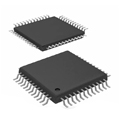
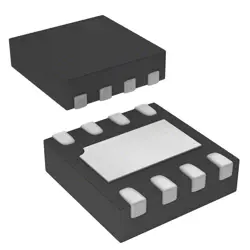
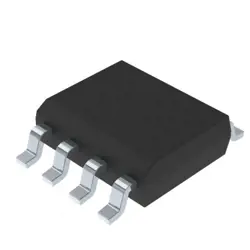
画像は参照用のみです。
ESP8266EX
IC RF TXRX+MCU WIFI 32VFQFN
- メーカー
- Mfr。パート #ESP8266EX
- パッケージ QFN-32
- データシート ESP8266EX DataSheet
- 在庫中2222
100% オリジナル &新しい
出荷の準備ができている24時間
365日の保証
RFQおよびもっと割引を得る
仕様
| Package | Tape & Reel (TR),Cut Tape (CT) |
| ProductStatus | Active |
| Type | TxRx + MCU |
| RFFamily/Standard | WiFi |
| Protocol | 802.11b/g/n |
| Frequency | 2.4GHz |
| DataRate(Max) | 54Mbps |
| Power-Output | 20dBm |
| Sensitivity | -91dBm |
| SerialInterfaces | I²C, I²S, SPI, UART |
| GPIO | 8 |
| Voltage-Supply | 2.5V ~ 3.6V |
| Current-Receiving | 50mA ~ 56mA |
| Current-Transmitting | 120mA ~ 170mA |
| MountingType | Surface Mount |
| Package/Case | 32-VFQFN Exposed Pad |
概要
Description
The ESP8266EX is a low-cost Wi-Fi microchip with a full TCP/IP stack and microcontroller capability, produced by Espressif Systems. It is specifically designed for IoT (Internet of Things) applications, enabling devices to connect to the internet easily and efficiently.
Key features of the ESP8266EX include a 32-bit Tensilica L106 microprocessor, integrated Wi-Fi transceiver, and support for both standalone and hosted applications. It operates at a clock speed of up to 160 MHz and includes GPIO, SPI, I2C, UART, and PWM interfaces, which make it highly versatile for various projects.
The chip is equipped with a 16-pin QFN package, consuming low power and supporting standard IEEE 802.11 b/g/n protocol. It can function as both a station and an access point, allowing for flexible network configurations. Additionally, the ESP8266EX supports secure (WPA/WPA2) connections, enhancing data security.
Its affordability, ease of programming using environments like Arduino IDE, and wide community support make it a popular choice among hobbyists and professionals for developing smart devices, home automation systems, and other IoT solutions.
Features
The ESP8266EX is a highly integrated Wi-Fi SoC (System on Chip) designed for IoT applications. It features a Tensilica L106 32-bit microcontroller unit (MCU) operating at 80 or 160 MHz. The chip includes on-chip SRAM and supports external QSPI flash, enabling program and data storage.
Key features include:
1. Wi-Fi Capabilities: Supports 802.11 b/g/n Wi-Fi, offering station, soft AP, and combined modes.
2. Networking: Provides TCP/IP stack, DNS, DHCP, and HTTP support, enabling seamless internet connectivity.
3. Power Efficiency: Optimized for low power consumption, featuring sleep and deep sleep modes.
4. I/O Interfaces: Includes GPIO, PWM, I2C, SPI, UART, and ADC, facilitating diverse peripheral integrations.
5. Security: Implements WEP, WPA/WPA2 encryption, and supports secure connections via SSL/TLS.
6. Development Support: Compatible with various development environments like Arduino IDE, ESP-IDF, and others, with extensive community support.
7. Compact Size: Its small footprint makes it suitable for space-constrained applications.
Overall, the ESP8266EX is a cost-effective solution for projects requiring wireless connectivity and moderate processing power.
Package
The ESP8266EX is housed in a QFN (Quad Flat No-leads) package. Specifically, it uses a 32-pin QFN package, which is compact and designed to provide a reliable electrical connection and efficient heat dissipation. This packaging makes it suitable for integration into a variety of IoT applications and space-constrained projects.
Pinout
The ESP8266EX is a Wi-Fi microchip with a 32-bit microcontroller (MCU) manufactured by Espressif Systems. It is known for its low cost, high integration, and versatility, making it popular in IoT applications.
Pin Count:
The ESP8266EX has a total of 32 pins.
Pin Functions:
1. Power and Ground Pins:
- VCC: Power supply (3.3V).
- GND: Ground connections.
2. Reset and Control Pins:
- RST: Reset pin to restart the chip.
- EN (CH_PD): Chip enable pin for power management.
3. Clock Pins:
- XTAL_IN/XTAL_OUT: Connect to an external 26 MHz or 40 MHz crystal oscillator.
4. UART Pins:
- TXD0, RXD0, TXD1, RXD1: Used for serial communication.
5. GPIO Pins:
- 17 GPIO pins for general-purpose I/O operations.
6. SPI Pins:
- SPI interface for connecting to other SPI devices.
7. I²C Pins:
- SDA, SCL: I²C protocol support.
8. PWM Pins:
- Used for pulse-width modulation.
9. ADC Pin:
- A0: Analog-to-digital converter input.
These pins allow ESP8266EX to interface with various peripherals and sensors, supporting applications like home automation, wireless sensing, and more.
Manufacturer
The ESP8266EX is manufactured by Espressif Systems, a Chinese company known for its development of low-power, cost-effective, and high-performance semiconductors for wireless communication. Established in 2008, Espressif Systems specializes in creating Wi-Fi and Bluetooth solutions, particularly System on Chip (SoC) products. The company is headquartered in Shanghai, China, and has a global presence with offices and support teams around the world.
Espressif Systems is recognized for its innovative contributions to the Internet of Things (IoT) sector, providing developers with open-source platforms and resources to create a wide range of IoT applications. The company’s products, including the ESP8266EX, are widely used in consumer electronics, smart home devices, and industrial automation due to their reliability, ease of integration, and developer-friendly nature.
Espressif Systems is recognized for its innovative contributions to the Internet of Things (IoT) sector, providing developers with open-source platforms and resources to create a wide range of IoT applications. The company’s products, including the ESP8266EX, are widely used in consumer electronics, smart home devices, and industrial automation due to their reliability, ease of integration, and developer-friendly nature.
Application
The ESP8266EX is widely used in Internet of Things (IoT) applications due to its Wi-Fi connectivity, low power consumption, and cost-effectiveness. Key application areas include smart home devices, such as lighting, thermostats, and security systems; wearable technology; industrial automation and control systems; and wireless sensor networks. It's also used in DIY electronics projects and for adding wireless capabilities to existing devices.
Equivalent
The ESP8266EX is a popular Wi-Fi microcontroller, and its equivalents include the ESP32 series by Espressif, which offers more processing power and features like Bluetooth. Other alternatives are the ESP8285 (similar to ESP8266 but with built-in flash), the Nordic nRF52 series for Bluetooth and low-power applications, and the STM32 series for general microcontroller tasks. For Wi-Fi and IoT applications, the Raspberry Pi Pico W and Microchip's ATWINC1500 can also be considered. Each alternative offers different features and capabilities depending on application requirements.
出荷
出荷方法私たち
DHL、FedEx、TNT、UPS、またはあなたの選択の他の運送業者を通じてグローバルな出荷サービスを提供します。
出荷料参照(DHL/FedEx):
DHL の: 配送費は25ドル〜45ドル(0.5kg)の範囲で、推定配送時間は2〜5営業日です。
フェデックス: 配送費は25ドル〜40ドル(0.5kg)の範囲で、推定配送時間は3〜7営業日。
UPS の: 配送費は25ドル〜45ドル(0.5kg)の範囲で、推定配送時間は3〜7営業日。
TNT社: 配送費は25ドル〜65ドル(0.5kg)の範囲で、推定配送時間は3〜7営業日。
EMS: 配送料金は30〜50ドル(0.5kg)の範囲で、推定配送時間は7〜15営業日です。
登録航空郵便: 配送費は2〜4ドル(0.1kg)で、推定配送時間は5〜20営業日です。
支払い
Payment Methods
支払い期間は100%前払いです。
現在、下記の支払い方法のみを受け入れています。:
1. ペイパル
2. クレジット・デビットカード
3. ワイヤー 転送
類似
-
![MX66U1G45GXDI00]() MX66U1G45GXDI00
Macronix
-
![MX25V16066M2I02]() MX25V16066M2I02
Macronix
-
![MX29GL512FHXFI-11G]() MX29GL512FHXFI-11..
Macronix
-
![MX25L2006EM1I-12G]() MX25L2006EM1I-12G
Macronix
-
![MX25R1635FZUIH0]() MX25R1635FZUIH0
Macronix
-
![MX25L6433FM2I-08G]() MX25L6433FM2I-08G
Macronix
-
![MX29LV160DTTI-70G]() MX29LV160DTTI-70G
Macronix
-
![MX29F040CQI-70G]() MX29F040CQI-70G
Macronix
-
![MX25L25645GXDI-08G]() MX25L25645GXDI-08..
Macronix
-
![MX29LV640ETTI-70G]() MX29LV640ETTI-70G
Macronix
-
![MX30LF4G18AC-TI]() MX30LF4G18AC-TI
Macronix
-
![MX25V8035FM2I]() MX25V8035FM2I
Macronix